Your First African Safari – What Every First-Time Visitor Should KnowI have met probably hundreds of people on safari during my many years of association with the industry. I've listened to their stories, heard their comments and learned a thing or two about what went well, and what didn't, as they explored the African bush.
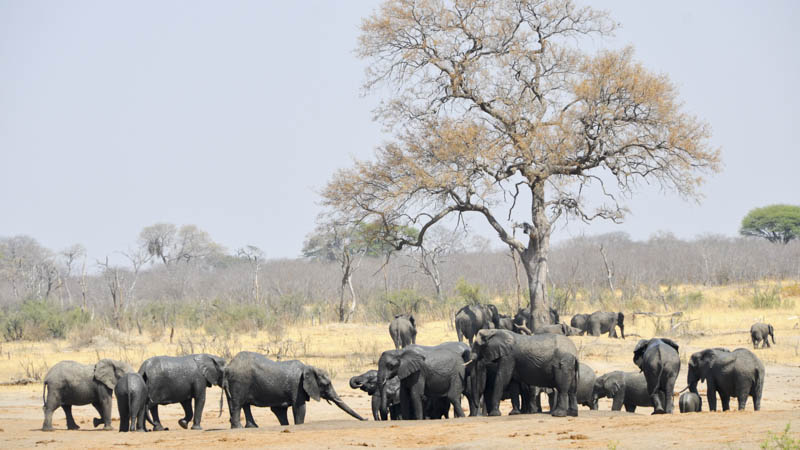
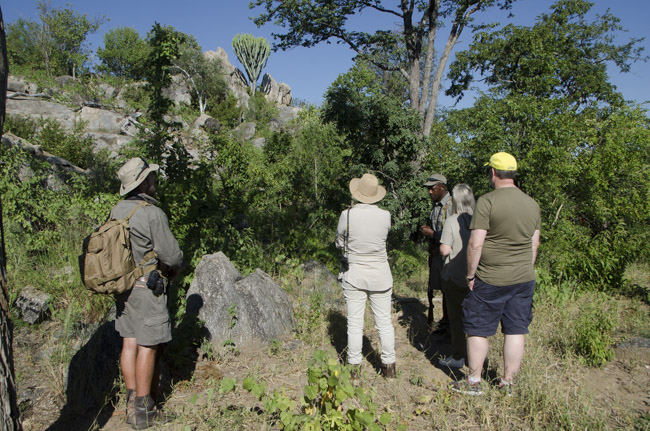
Herds of elephant gather around waterholes in the dry season. A quintessential African safari moment So, if you're planning your first African safari, here are a few things I've picked up from people who have been there and done that. Some are obvious, others perhaps less so, but all are worth knowing before you set off. Got questions about your first African safari? Jump straight to our Frequently Asked Questions at the bottom of this page for more practical advice. The Heat – And the Unexpected Problem of DrynessPeople rightly expect Africa to be hot, but just how hot depends on the season, altitude and where you're travelling. With careful planning, uncomfortable heat can often be avoided – or sought out, if you're escaping a cold climate and simply want to revel in the warmth. In terms of comfort on safari, I would link heat to another, less obvious factor: dryness. People from wetter climates can struggle to adjust to the transition from high humidity to very dry conditions and fail to keep themselves properly hydrated. Drink regularly, and more than you might ordinarily need in cooler conditions. And don't be coy about needing to wee when you're out on a game drive. Most game drives last two to four hours, and there won't always be a proper toilet available. Your guide will usually know where it's safe to stop, so don't be embarrassed to ask. Better a wee in the bush, behind a real bush, than risk the unpleasant consequences of dehydration or heat exhaustion, either of which can ruin your safari. One thing I've noticed personally is that an upset stomach can sometimes be an early indication that I'm dehydrated or that my electrolyte balance is out of sync. Of course, stomach upsets can have several causes, including foodborne illness, so don't automatically assume dehydration is to blame. The important point is to take hydration seriously, particularly in hot, dry conditions. Heat exhaustion can usually be treated promptly, but heatstroke is a much more serious medical emergency. The Cold – Don't Be Caught OutThis seems to catch visitors out repeatedly – even travel agents on safari who should know better, since they're advising other travellers. Even if you've checked the calendar and are confident you've avoided the African winter, it's sensible to pack one really warm but lightweight jacket, ideally waterproof, and a pair of long trousers. In many safari destinations, daytime temperatures can be perfectly comfortable, even in winter. But early mornings and evenings – just when you're likely to be out game viewing – can be cool to extremely cold. There's little point in trying to enjoy a game drive when you're shivering. It's also worth remembering that the weather can be fickle, even in Africa. During the so-called summer months, a cold front can come barrelling in on the prevailing winds, catching out anyone who isn't prepared. Aim for Comfort – And Pack LightRead our detailed guide on what to pack for an African safari. Pack light. No matter how luxurious your itinerary, at some point you're likely to find yourself lugging an over-heavy suitcase from point A to point B. Most lodges offer a laundry service, so you can cut back considerably on the clothing you bring. If you're cunning, all your outfits will look fairly similar, so your travelling companions won't know whether you're wearing fresh clothes today – or not. Having made a little extra space in your suitcase, here are a few other things worth bringing. On hot days, a damp cloth around the neck works wonders. A practical neck cooler, lightweight scarf or buff is ideal for this purpose. Don’t go without one. The same neck wrap is useful for extra warmth in winter. Winter on the savanna produces some of the best game viewing, making it a popular time to travel, but warm headgear and gloves are important, along with that fleece or down jacket. You'll also want a small backpack or daypack to keep everything together and accessible when you're out, including personal medications and a spare bottle of water. I keep my backpack with me almost all the time. Even when I'm indoors, I know exactly where it is, so I can grab my binoculars for a passing animal or a bird that's just appeared. And while we're on the subject, a decent pair of binoculars is one thing I'd strongly recommend bringing on your first safari. You don't need an expensive camera with an enormous lens to enjoy the wildlife, unless of course you are a professional or very keen photographer. Modern smartphones can capture some wonderful memories, although they have their limitations when animals are far away. Binoculars, on the other hand, will bring those distant sightings to life, and you'll probably use them far more often than you expect. One additional point: if your safari includes light-aircraft transfers, check the baggage allowance before packing. Some operators have strict weight limits and require soft-sided bags. Those Accents – It's a Two-Way StreetIt's mutual! Even local Africans with a good command of spoken English can find the array of accents from around the world challenging. Equally, visitors sometimes struggle to understand the locals. My advice is not to be shy. Take the time to ask the other person to slow down, speak more clearly or speak a little louder. It will be worth it and can serve as an amusing ice-breaker as you learn about each other. And about that conversation: depending on where you come from, exactly what we mean by the bush may or may not make sense. For bush, we mean wilderness. Other phrases can have quite unintended meanings in different cultures. Americans might wear a fanny pack, while the English will prefer a bum bag or waist pack – highly recommended for safari, by the way. Be Sensible – Small Mistakes Can Ruin a SafariI've had personal experience of safaris being ruined by unthinking behaviour. One gentleman imbibed rather too much, then slipped on the stairs at a lodge. That was the end of his safari. Alcohol can also contribute to dehydration, particularly when consumed in excess, so moderation is sensible if you want to make the most of your trip. And while your morning coffee is unlikely to cause a problem, don't rely on caffeine or alcoholic drinks alone to keep yourself hydrated in a hot, dry climate. Then there was the lady who was talking animatedly in the game-drive vehicle and wasn't sitting squarely in her seat. Everything was fine until the vehicle hit a pothole in the road – and another safari ended early. Game-drive vehicles vary considerably. Some have seat belts, while others, particularly older or specially adapted vehicles, may not. Where seat belts are fitted, use them as instructed, and always follow your guide's advice about remaining seated and moving around in the vehicle. It is easy to become distracted by the excitement of seeing wildlife, but remember that you're often travelling on rough tracks in an open vehicle. A little common sense goes a long way. Mix Up the Experience – There's More to Safari Than Game DrivesMany visitors I've spoken to have discovered an unexpected highlight of their safari – and it wasn't the wildlife. I'll come back to that. Expect that much of your game viewing will be from a vehicle, but if you get the chance, I thoroughly recommend taking a guided bush walk. Apart from the welcome change of pace, it's only on foot that you can really get down and dirty with tracks, spoor, middens and scents – both good and not so good. Walking is also a wonderful way to appreciate the smaller details of the bush and is particularly rewarding for serious birdwatchers.
Some safaris are conducted entirely on foot, with guests walking between overnight camps. Others offer shorter guided walks as an additional activity. If you intend to do some walking, sock protectors or ankle gaiters are useful for keeping prickly grass seeds and sand out of your socks and shoes. The point is to take advantage of the different experiences available to you, rather than limiting yourself to game drives. And that brings me back to those unexpected highlights. Depending on the location of your lodge or camp, there may be a local community nearby that you can visit. Personally, I'd favour a genuine, respectfully organised community visit over a heavily commercialised experience. If you have the opportunity to meet local people, learn about their lives and perhaps visit a community project, school or clinic where visitors are genuinely welcomed, take it. I've found that these encounters can provide some of the most lasting memories of an African safari, sometimes even more than the wildlife itself. A Final Word – Listen to Your GuidePerhaps the single best piece of advice I can give anyone planning their first African safari is to listen carefully to your guides and hosts – and then do what they say. If something isn't clear, ask. It's perfectly natural to need a little reassurance, particularly when you're experiencing the African wilderness for the first time. At some point, you may find yourself just a few metres away from a predator, with nothing between you and it except the half-missing side panel of a Land Rover.
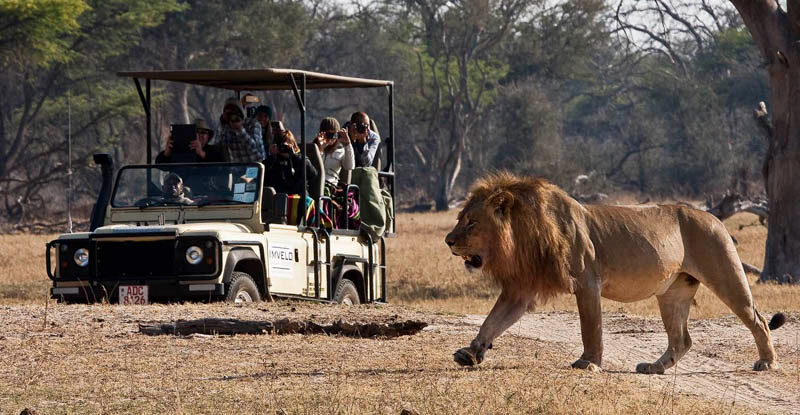
This large male lion strolls past an open safari vehicle in Hwange National park, which is not an uncommon occurrence Or perhaps you'll lie awake in your tent at night, listening to a hippo munching grass only meters away, with nothing but seemingly flimsy canvas separating you. These encounters can feel intimidating at first, but they're also part of what makes an African safari so extraordinary. The safari industry has developed around giving visitors thrilling, memorable experiences in the African wilderness while managing the risks that come with being close to wild animals. The men and women who are your guides and hosts generally love their work. They're trained and experienced in reading the signs of the wild, understanding animal behaviour and keeping their guests safe. Trust their judgement, follow their instructions and don't be afraid to ask questions. Then relax, take it all in and enjoy what will hopefully be the first of many African safaris. Author Bio: Rob took his first safari more than 40 years ago and since then his career has covered many if not most aspects of the tourism industry in our region. He loves to write and we are loving his contributions to Victoria Falls Guide." Planning Your First African Safari?There's a lot to consider when organising your first safari – where to go, when to travel, how long to stay and which camps or lodges will suit you best. At Victoria Falls Guide, we live and work in one of Africa's great safari regions, with Hwange National Park, Zambezi National Park and Chobe National Park on our doorstep and a great many others only a short flight away. We can help you plan and book a safari that suits your interests, budget and travel style. Whether you're looking for a few days of wildlife viewing alongside a visit to Victoria Falls or a longer African safari itinerary in any African country, we're happy to share our local knowledge and help you make the right choices. Don't take our word for it though. Please see what our clients have to say in our customer feedback section Free local advice • Personalised recommendations • No obligation Frequently Asked Questions About Your First African SafariIs an African safari safe for first-time visitors?Yes, an African safari is generally a safe experience when organised through reputable safari operators with qualified guides. Remember, you're visiting wild animals in their natural environment, so there are always some risks. The most important thing is to follow your guide's instructions, whether you're on a game drive, walking in the bush or staying in a safari camp. Never approach wildlife on your own, and don't leave your accommodation at night without following the camp's safety procedures. What is the biggest mistake first-time safari travellers make?In our experience, one of the biggest mistakes is trying to fit too much into too little time. Moving between several parks and lodges might look exciting on paper, but travelling can be tiring and takes valuable time away from actually enjoying the bush. Remember you are often getting up early for morning game drives and this along with the heat and hours in a vehicle can become exhausting. So plan with this in mind allowing for some down time. We'd generally recommend spending at least three or four nights in one safari location, allowing yourself time to settle in, relax and appreciate the experience rather than constantly packing and unpacking. What should I wear on my first African safari?Comfortable, practical clothing in neutral colours such as khaki, olive, beige and brown is ideal. Lightweight layers work best because temperatures can vary enormously between early morning game drives and the heat of the afternoon. Bring a warm jacket, long trousers, a sunhat and comfortable closed shoes. You don't need an expensive safari wardrobe, and there's certainly no need to look like an old-fashioned big-game hunter! For more detail, see our African safari packing guide. Will I see the Big Five on my first African safari?Possibly, but don't count on seeing all five. The Big Five – lion, leopard, elephant, buffalo and rhino – are among Africa's most sought-after wildlife sightings, but what you see depends on the park, the season and a fair amount of luck. Some destinations don't have all five species, while others offer better opportunities. Our advice is not to become so focused on ticking animals off a list that you miss the extraordinary wildlife encounters happening all around you. And don’t forget about the often overlooked Little Five: ant lion, leopard tortoise, elephant shrew, buffalo weaver and the rhino beetle How close will I get to wild animals on safari?Sometimes surprisingly close! Elephants, lions and other animals may walk right past a safari vehicle, while at other times you'll be watching wildlife through binoculars in the distance. Animals generally become accustomed to safari vehicles in frequently visited areas, provided people behave appropriately. Your guide will judge how close it is safe to approach, so remain seated, keep your voice down when asked and never attempt to touch or feed an animal. Do I need to be physically fit to enjoy an African safari?Not particularly. Most traditional safaris involve game viewing from a vehicle, so you don't need to be especially fit. However, getting in and out of safari vehicles, travelling on bumpy tracks and walking around some camps can present challenges for people with limited mobility. Walking safaris are different and may require a reasonable level of fitness, depending on the terrain and distance. If you have any mobility concerns, let your safari planner know beforehand so suitable accommodation and activities can be arranged. Should I use a safari planner to organise my first African safari?We would certainly recommend it, particularly if you're planning to visit more than one safari destination. Organising an African safari is considerably more complicated than booking a conventional holiday. Camps can be in remote locations, often requiring light-aircraft flights, lengthy road transfers or carefully coordinated connections. Then there's knowing which parks and camps offer the wildlife, activities and experiences you're looking for, along with their different rules, seasons and practical limitations. It's perfectly possible to organise a safari yourself, but without good local knowledge, it's surprisingly easy to get the logistics wrong, waste valuable time or end up somewhere that doesn't meet your expectations. A knowledgeable safari planner can bring all these elements together, recommend the right places and make sure your itinerary works smoothly from start to finish. And importantly, booking through a safari specialist doesn't necessarily cost you more than booking directly, as many planners earn their commission from the lodges and operators. For a first African safari, having someone who knows the destinations and understands how everything fits together can make an enormous difference. Free local advice • Personalised recommendations • No obligation
 |
Follow!
          
|
|
|
|
||
|
|
||
|
| ||