Best Time for a Victoria Falls Safari - Month by Month
Victoria Falls changes dramatically through the year, so the best time to visit depends on what you most want to experience. One of the questions we get asked often here at Victoria Falls Guide is: "When is the best time for a Victoria Falls safari?" The honest answer? It depends entirely on what you want to see and experience. Here in Victoria Falls and the surrounding safari areas of Zimbabwe, Zambia and Botswana, the seasons completely transform the landscape, the wildlife and the mighty Victoria Falls themselves. The lush, life-filled green season offers a very different safari from the dry months, when the bush thins out and wildlife becomes increasingly concentrated around the remaining water sources. We have lived in Victoria Falls for many years, so this month-by-month guide is based largely on what we see happening right here on our doorstep. There is another important consideration unique to this part of Africa: the best time for safari isn't necessarily the best time to see Victoria Falls at its fullest. The Falls and the surrounding bush follow different seasonal cycles, which makes choosing when to come particularly interesting. Of course, predicting the weather has always been a risky business, even before the increasing extremes of climate change came into play. The weather descriptions below therefore reflect general seasonal trends rather than guarantees. Whatever month you travel, we recommend packing versatile layers and bringing at least one reliably warm outfit. Even after a beautifully hot day, an open safari vehicle before sunrise can be surprisingly cold. When Is the Best Time for a Victoria Falls Safari?For most visitors wanting to combine Victoria Falls with good wildlife viewing, the dry season from roughly June to October offers the easiest game viewing. Vegetation thins out and animals increasingly congregate around rivers, waterholes and other permanent water sources. But that doesn't necessarily make it the best time for everyone. The green season from around November to March brings lush landscapes, dramatic skies, migrant birds and plenty of newborn animals. Victoria Falls itself builds towards its spectacular high-water period from March into May. If seeing the Falls at their most powerful is your priority, March to May is hard to beat. If wildlife viewing is at the top of your list, the dry months generally have the advantage. And if you'd like a bit of both, the months in between can offer an excellent compromise. Victoria Falls Safari Seasons at a Glance
These are guidelines rather than fixed dates. Rainfall, Zambezi water levels and wildlife movements vary from year to year, and activities such as white-water rafting are always dependent on prevailing river conditions. Not Sure Which Month Is Right for You?Choosing the best time to visit Victoria Falls often comes down to finding the right balance between the Falls, wildlife, weather and the activities you want to experience. We live here, and we can help. Tell us what you'd like to see and do, your travel dates and the sort of trip you have in mind, and we'll help you plan your entire Victoria Falls holiday, from accommodation and safaris to activities, transfers and all the little details in between.
Free local advice • Personalised recommendations • No obligation Victoria Falls Safari Month by MonthJanuary - The Height of the Green SeasonThe Vibe: Peak African summer - dramatic skies, lush landscapes, hot weather and high humidity. The Weather & Water: This is the height of the rainy season. Expect hot, humid days with spectacular afternoon thunderstorms and occasional periods of rain that can last for several days. The Zambezi River is rising, making Victoria Falls increasingly powerful, while white-water rafting transitions according to river levels. Average Daylight: 05h53 - 18h58
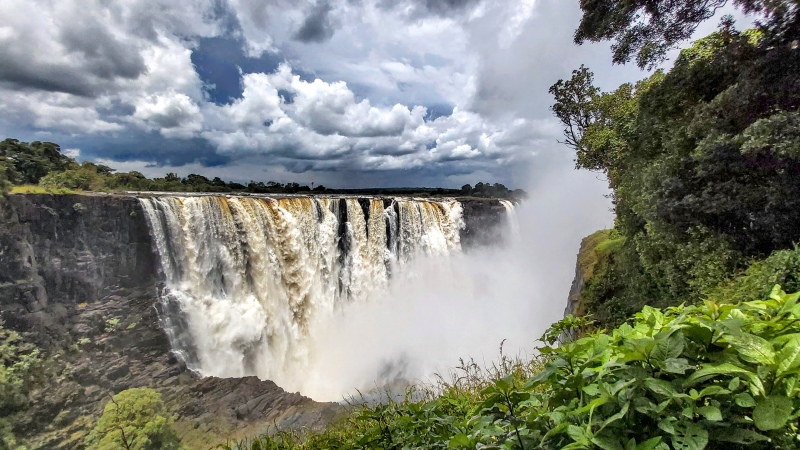
Victoria Falls in January, the height of the rainy season, showing typical dramatic skies that you would encounter February - The Smoke That ThundersThe Vibe: Vibrant, wet and beautifully dramatic. The Weather & Water: Hot days and warm, humid nights continue, with plenty of rain. The spray from Victoria Falls - Mosi-oa-Tunya, The Smoke That Thunders - rises hundreds of metres into the sky, keeping the rainforest under a near-constant shower. Wildlife & Nature: The dense foliage makes for a wonderfully green photographic backdrop. African ebony trees heavy with fruit attract plenty of wildlife, and it's peak antelope calving season. Keep your eyes peeled in the national parks for nursery herds with their newborns. Average Daylight: 06h10 - 18h51
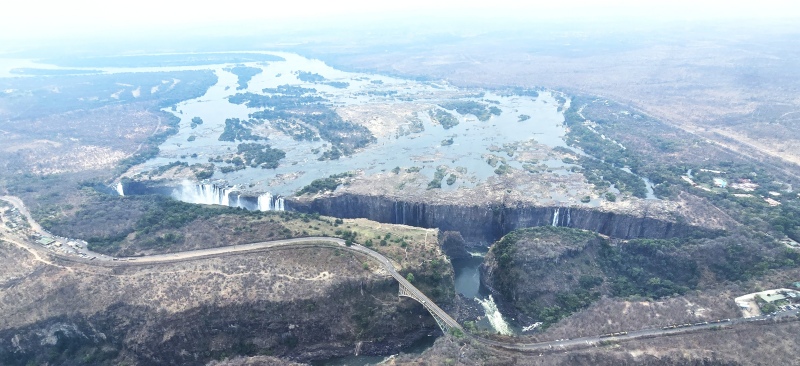
The green season transforms the bush from dry gold to lush green and brings migrant birds, newborn animals and replenishes the dry waterholes. March - The Falls in Full FlowThe Vibe: Lush, warm and roaring with energy. The Weather & Water: Hot days and warm nights continue. While the local rainy season is beginning to draw to a close, river levels are now extremely high and Victoria Falls is pumping furiously. Depending on river levels, rafting may close when conditions become unsafe. Wildlife & Nature: The grasslands are in full seed, the iconic baobab trees start to fruit, and kudu and buffalo begin their breeding seasons. It's a time of transition as the first migrant birds begin their journey back north. Average Daylight: 06h19 - 18h31 April - Victoria Falls at Peak FlowThe Vibe: Victoria Falls at its most powerful. The Weather & Water: The local rains are coming to an end, but floodwaters from the vast upstream Zambezi catchment are now arriving. Victoria Falls is normally around its highest flow of the year, creating an extraordinary volume of water and spray. At times there can actually be so much spray that visibility from some of the rainforest viewpoints becomes limited. You certainly won't stay dry! Wildlife & Nature: With food and water having been abundant, most animals are in excellent physical condition. The promise of the coming winter brings the start of the rutting season for plains game such as impala and wildebeest. This month also marks the departure of the last migrant birds. The Main Falls of Victoria Falls in mid April, the floodwaters have arrived and it's almost at peak flow. Some view points are obliterated by the rising spray. May - The Cool Breath of AutumnThe Vibe: Clear skies, crisp air and the start of the dry season. The Weather & Water: Welcome to African autumn. Days are beautifully warm, but a distinct chill starts creeping into the evening air. Victoria Falls remains very powerful even though the local rains have largely finished. Wildlife & Nature: Deciduous trees begin losing their leaves, gradually opening up the bush for better game viewing. Wild dogs and white-backed vultures begin their breeding seasons; the dogs give birth in underground dens while the vultures choose tall trees for their nests. Average Daylight: 06h35 - 17h51 June - Into the Winter DryThe Vibe: Wonderful safari weather - warm days and chilly nights. The Weather & Water: African autumn gives way to winter. Expect consistently dry, blue-sky days, but temperatures can drop sharply as soon as the sun goes down. The Zambezi River levels begin to fall steadily. Wildlife & Nature: As the grass recedes and seasonal waterholes dry up, game starts concentrating around permanent water sources such as rivers. In Hwange, pumping becomes increasingly important to keep artificial water points replenished. Keep your binoculars handy for raptor courtship displays in the clear winter skies. Average Daylight: 06h45 - 17h49 July - Peak Dry Season and Cold NightsThe Vibe: Classic dry-season safari conditions. The Weather & Water: The dry season coincides with midwinter. Days are generally mild and warm, but occasional cold snaps can bring very cold nights - definitely pack warm layers for those early morning game drives. Rain is extremely unlikely. Wildlife & Nature: We are entering the true drought months. The iconic mopane leaves turn their distinctive burnt-orange winter hue. Elephants begin migrating in large numbers to their winter feeding grounds, and it's a good time for raptor breeding activity. Average Daylight: 06h48 - 17h57 August - The Winds of ChangeThe Vibe: Excellent, unobstructed wildlife viewing. The Weather & Water: Dry, beautifully warm days and cool nights. You'll often notice the characteristic August winds starting to blow, signaling another shift in the seasons. As Zambezi water levels drop, more of the Eastern Cataract on the Zambian side of Victoria Falls begins to become exposed. Wildlife & Nature: This is a superb time for elephant lovers, as large herds of the majestic creatures gather around the remaining water sources. Other big game becomes easier to find for the same reason - and predators are never far behind, waiting for opportunities around the waterholes. Average Daylight: 06h36 - 18h06
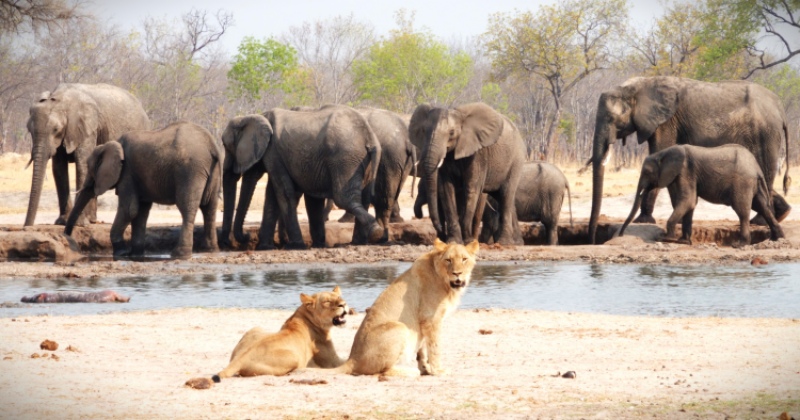
As the dry season progresses, wildlife increasingly gathers around permanent and pumped water sources, making animals easier to find. September - The Awakening of SpringThe Vibe: Action-packed safaris and adrenaline on the river. The Weather & Water: African spring brings a noticeable rise in temperature. Expect hot days and much warmer nights. With water levels dropping rapidly in the Zambezi, more of the rapids become exposed, creating excellent conditions for white-water rafting. Wildlife & Nature: The bush is dry and open, making wildlife much easier to spot. Carmine bee-eaters arrive in brilliant, colourful flocks alongside the first migrant birds from Europe. Weavers begin constructing their intricate nests and the sweet-scented knob-thorn acacias burst into flower. Lower water levels in the upper Zambezi also mean fishing conditions improve. The murky floodwaters give way to clearer pools where predatory tiger fish and nembwe lurk in search of prey - both well known for putting up a serious fight on the end of a fishing line. Average Daylight: 06h12 - 18h12
Zambezi water levels expose more of the river's famous rapids, creating excellent white-water rafting conditions. October - The Legendary "Suicide Month"The Vibe: Intense heat and exceptional dry-season game viewing. The Weather & Water: October is the peak of our hot season, affectionately - or perhaps not so affectionately - known locally as "suicide month." The heat reaches its crescendo and the air becomes heavy in the build-up to the rains, with occasional afternoon storms bringing very welcome relief. By now the Eastern Cataract on the Zambian side of Victoria Falls may be almost completely dry, although there is still water flowing over the main sections on the Zimbabwean side. Wildlife & Nature: This is the peak of the dry season. Animals become heavily dependent on the remaining water sources, often creating dramatic predator-prey interactions around waterholes. At the same time, nature is already preparing for the rains. Birds display their breeding plumage, long-tail cassias cover themselves in yellow flowers and fresh green mopane leaves begin appearing in the woodlands. Average Daylight: 05h48 - 18h17
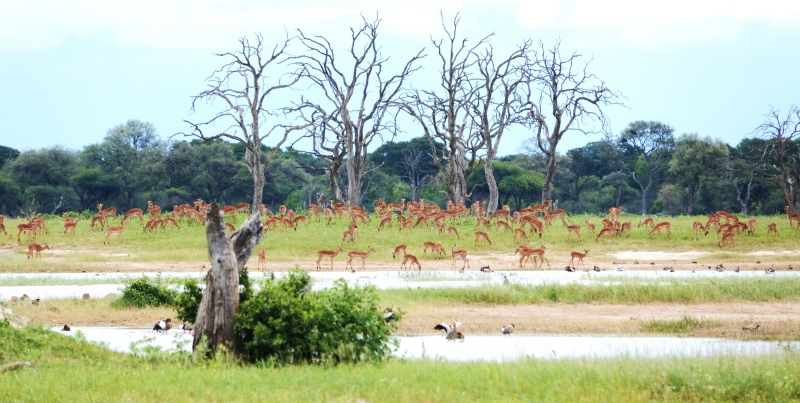
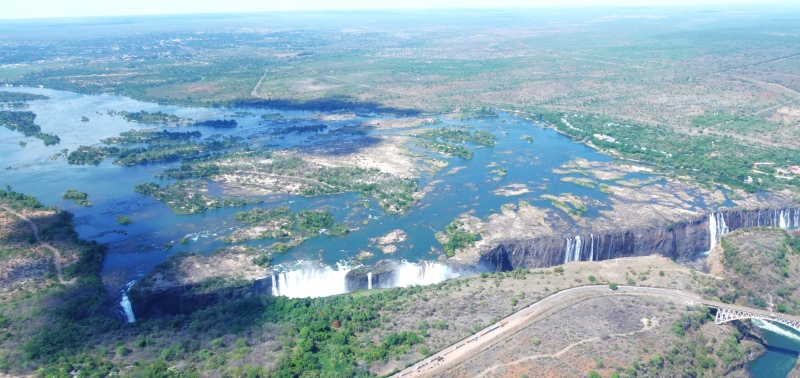
By late in the dry season, water levels have fallen dramatically and large areas of rock can become exposed, particularly on the Zambian side. November - The First RainsThe Vibe: New life and a dramatic transformation of the bush. The Weather & Water: November usually marks the start of the rainy season - although nature keeps her own schedule. Days remain very hot and nights are warm. Victoria Falls is generally around its lowest flow before water from the upstream rains begins its long journey towards the Falls. Wildlife & Nature: The first rains trigger the impala calving season, with hundreds of tiny lambs appearing in a remarkably short period. Migrant birds arrive to join the nesting frenzy, baobabs bloom and blood lilies emerge from the earth. Elephants, now finding water more widely available, begin dispersing back into their summer feeding grounds. Average Daylight: 05h33 - 18h30 December - The Emerald WonderlandThe Vibe: Festive, lush and wonderfully green. The Weather & Water: Hot and humid as the green season gets into its stride. Cloud cover can make it feel cooler than October, although several days of continuous rain are possible. Victoria Falls remains relatively low but begins rising as the rainy season progresses. Wildlife & Nature: The landscape turns a vibrant emerald green. Wildebeest calving brings new life to the plains. Look out for flame lilies in the Victoria Falls Rainforest and hyperactive dragonflies darting through the spray.
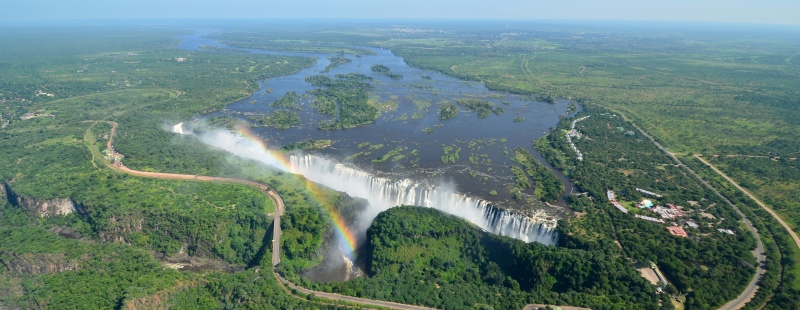
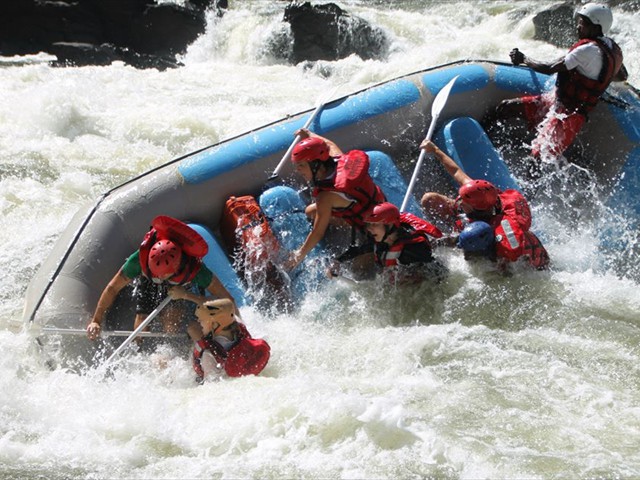
By December, the local rainy season has started and water levels at Victoria Falls are beginning to rise. The surrounding bush starts turning from brown to green Average Daylight: 05h36 - 18h48 So, What Is the Best Month for a Victoria Falls Safari?If you forced us to choose one period for someone wanting both Victoria Falls and a safari, we'd probably point towards June, July and August. By then the rains have finished, wildlife viewing is improving rapidly and daytime temperatures are generally very pleasant. Victoria Falls is still carrying plenty of water, but the enormous clouds of spray associated with peak flow are beginning to subside, often giving you clearer views of the Falls. But that's certainly not to say these are the only months worth visiting. September and October can provide outstanding wildlife viewing, particularly around the waterholes, but the Falls are considerably lower and temperatures, especially in October, can be fierce. March through May gives you Victoria Falls at its most powerful, but wildlife is more dispersed and the vegetation thicker. And then there is the green season. It is often overlooked by first-time safari visitors, but if you enjoy birdlife, dramatic skies, photography, newborn animals and beautiful green landscapes, it can be a wonderful time to be here. That's why, when people ask us for the best time for a Victoria Falls safari, our first question is usually: What do you most want to see? We also have a month-by-month calendar of Victoria Falls, which is essentially a summary of this page. Frequently Asked Questions About the Best Time for a Victoria Falls SafariWhat is the best month for a Victoria Falls safari?There isn't one perfect month, because Victoria Falls and the surrounding safari areas follow different seasonal cycles. For a good combination of wildlife viewing, pleasant weather and impressive water levels at Victoria Falls, June through August is difficult to beat. If wildlife is your main priority, September and October can be excellent. If seeing Victoria Falls at peak flow matters most, look towards March, April and May. When is the best wildlife viewing around Victoria Falls?Wildlife viewing generally becomes easier as the dry season progresses from June through October. Vegetation becomes thinner and animals increasingly congregate around permanent rivers and waterholes. August, September and October can be particularly rewarding for large concentrations of elephant and other game around water sources in areas such as Hwange and Chobe National Parks. Is the green season a good time for safari in Victoria Falls?Yes, but it is a very different safari experience. From roughly November through March, the landscape is lush and green, birdlife is exceptional and there are plenty of newborn animals. The trade-off is that thicker vegetation and plentiful surface water allow wildlife to disperse over a much wider area, so animals can be harder to find than during the dry season. For photographers and keen birders, however, the green season can be one of the most beautiful times of year. When is Victoria Falls at its fullest?Victoria Falls generally reaches its highest flow between March and May, as floodwaters from rainfall in the upper Zambezi catchment arrive at the Falls. Interestingly, this happens after much of the local rainy season has finished because water from the upper catchment takes time to travel downstream. At peak flow the Falls are enormously powerful, but the volume of spray can sometimes obscure the view from some rainforest viewpoints. When is the best time to see Victoria Falls and go on safari?For travellers wanting a balance between the two, June to August is one of our favourite periods. The bush is drying out and game viewing is improving, while Victoria Falls normally still has an impressive amount of water. As the river gradually drops, there is also less spray, which can make the Falls easier to see and photograph from ground level. Is October a good month for a Victoria Falls safari?October can be exceptional for wildlife viewing. It is the end of the long dry season, so animals are heavily dependent on permanent water sources and sightings around waterholes can be outstanding. But there are two important trade-offs. October is normally extremely hot, and Victoria Falls is approaching its low-water period. On the Zambian side, the Eastern Cataract may be almost completely dry. If wildlife is your priority and you cope well with heat, October can be a very rewarding month. When is the best time for white-water rafting at Victoria Falls?The best rafting conditions are generally during the lower-water months, when more of the Zambezi's famous rapids are exposed. This is often from around August through December, although the exact rafting season and sections of river used depend entirely on water levels. The Zambezi changes enormously from year to year, so rafting availability should always be checked for your actual travel dates. Is it cold on safari in Victoria Falls?It can be surprisingly cold, particularly on early morning and evening game drives during June and July. Daytime winter temperatures are usually very pleasant, but travelling in an open safari vehicle before sunrise creates considerable wind chill. We strongly recommend bringing warm layers, even though you're travelling to Africa. At the other extreme, September and particularly October can become extremely hot during the day. Should I choose my safari dates based on Victoria Falls or the wildlife?That depends on which is more important to you. If this is your first visit and Victoria Falls itself is the main attraction, choose the water level and Falls experience you want first, then build your safari around those dates. If you're a keen safari-goer and wildlife is the priority, we'd concentrate more on the dry season and accept that Victoria Falls will have less water later in the year. Let Us Help You Plan Your Victoria Falls SafariHopefully this guide has helped you narrow down the best time for your Victoria Falls safari. But if you're still not sure, that's exactly where we can help. Victoria Falls Guide is more than an information website. We are a local travel company based right here in Victoria Falls, and we've been helping visitors plan and book their trips for many years. Tell us when you're thinking of travelling, how long you have and what you'd most like to experience. We can help put the whole trip together for you, including accommodation, safaris, activities and transfers, while giving you the benefit of genuine local advice along the way. There's no charge for asking us to help you plan. We earn our commission from the suppliers we book with, so you get our local knowledge and booking support without paying an additional planning fee. You can read reviews from customers we've helped to plan and book their holidays on our Client Testimonials page
Free local advice • Personalised recommendations • No obligation

Return from Best Time for a Victoria Falls Safari to our home page |
Follow!
|
|||||||||||||||||||||
|
|
||||||||||||||||||||||
|
|
||||||||||||||||||||||
|
| ||||||||||||||||||||||